

Presenting the Final Demo

This week was one of the most exciting moments of the entire project.
After months of research, interviews, iterations, playtesting, redesigns, and validation sessions, we finally presented our project in a live demo pitch. It was the first time we were able to see people experience Let's Not Open That as a complete product rather than as a concept, prototype, or work in progress.
And honestly, the response exceeded our expectations.

Questions After the Demo
Many were curious not only about how the game works, but about the research behind it. People asked what our final goal really is: Are we trying to solve political polarization? Are we trying to make difficult topics feel lighter? Are we trying to help people talk, or simply help them stay connected despite disagreement?
Our goal is not to solve polarization or make everyone agree. It is also not to turn serious issues into something meaningless. Instead, we are trying to create a playful and emotionally safer frame that allows people to approach sensitive topics without immediately entering conflict.
People were also interested in the different techniques used in the game such as presenting the opposite opinion, exaggerating a position, or using humor and asked what research supports them. This gave us an opportunity to explain how our mechanics are grounded in ideas such as perspective-taking, paradoxical thinking, humor, and emotional distancing.
For us, this was an important moment. The demo showed us that the project raises real questions, and that people are interested not only in the product itself, but also in the thinking and research behind it.
Strong Feedback on the User Experience
The most common feedback we received was about the overall user experience.
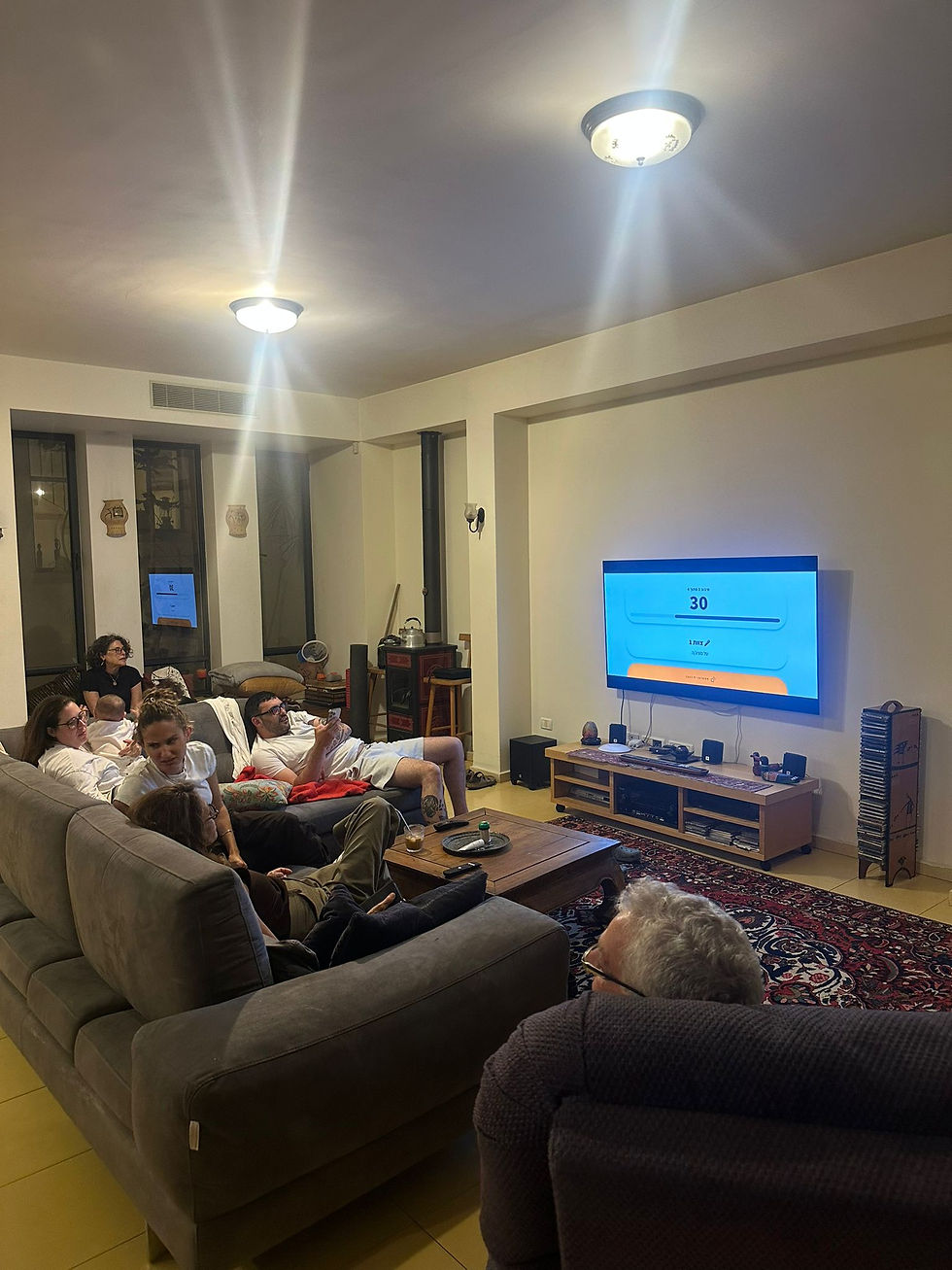
Many people commented that the flow between the TV and the phone felt clear and natural, and that the game structure was easy to follow. The onboarding improvements, team organization, and game board helped create a smooth experience that didn't require much explanation.
After spending so much time refining details that seemed small at the time, it was rewarding to see that those decisions had a noticeable impact.

The Final Adjustments
Alongside the positive feedback, we also received several useful suggestions for improvement.
One recurring recommendation was to increase font sizes throughout the experience. Since the game is designed around a shared TV screen and personal mobile devices, we were encouraged to look into screen-specific accessibility and usability guidelines to determine the optimal sizing for each platform.
We were also advised to add an option to end a game before reaching the final score, giving users more flexibility during real social gatherings.
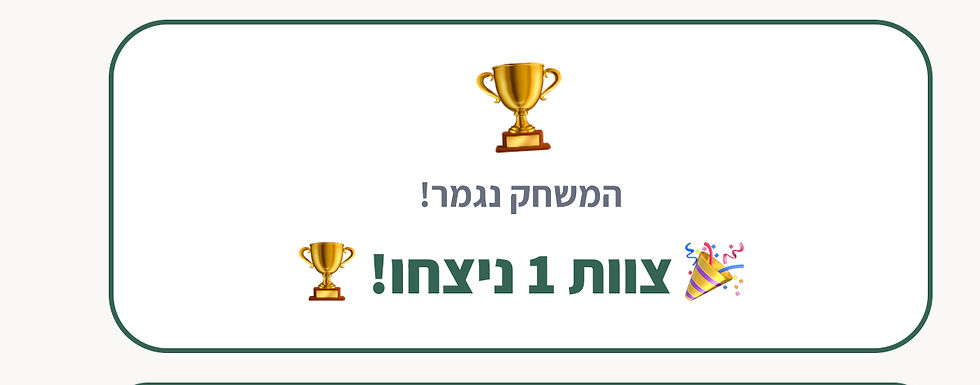
Several people suggested adding more visual elements and graphics to increase excitement and create stronger moments of celebration. In particular, they encouraged us to make successful guesses, victories, and special events feel more rewarding and noticeable.
Another suggestion was to visually emphasize the Opposite Opinion mode using a stronger color treatment, such as red, creating a clearer distinction between the different presentation strategies and strengthening the connection to our visual identity.
None of these comments challenged the core concept. Instead, they focused on polishing and enhancing an experience that was already working.
Looking Ahead
As we approach the end-of-year event, we're feeling both excited and a little nervous.
There are still a few final adjustments to make, a few details to polish, and plenty of preparation left for the final presentation. But for the first time, it feels like we're no longer discussing a future product. We're looking at something real and we're excited to share it.



Comments